Oil well drilling rigs
Rigs for drilling and servicing oil and gas wells.
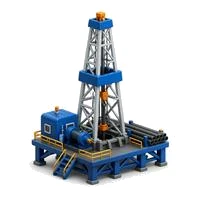
Oil-well rigs are built for great depth and heavy hook loads. Selection follows well depth, hoisting capacity and safety requirements. This section is for companies drilling and servicing onshore oil and gas wells.
Types of rig
- Conventional land rigs — with a heavy mast or derrick, a separate power package and mud system. For deep production and exploration wells; moved in loads.
- Mobile drilling rigs — mast and drawworks mounted on a multi-axle truck carrier. For medium-depth wells; quick to rig up and move.
- Workover rigs — for running and pulling tubing, replacing downhole equipment, cleaning out and restoring existing wells. The most common rigs on producing fields.
Main components
- Mast (derrick) — the structure the drill string hangs from.
- Drawworks and block system — raise and lower the string and set the rig's hook-load capacity.
- Rotary table or top drive — turns the drill string.
- Mud pumps and solids control — shale shakers, desanders, desilters and tanks.
- Blowout preventers (BOP) — safety equipment that shuts in the well if pressure rises suddenly.
- Power system — diesel generators or direct diesel drive.
Key figures
A rig's class is set mainly by its maximum hook load and depth rating. The figures are indicative:
| Rig type | Hook load | Indicative depth |
|---|---|---|
| Workover rig | 60–120 t | servicing and recompletion |
| Mobile drilling rig | 120–250 t | up to 3000 m |
| Conventional land rig | 250–450 t and more | 4000–7000 m and more |
Mast height, drawworks power, the number and pressure of mud pumps and rotary or top-drive torque count as well.
Safety and standards
Oil and gas equipment must meet international standards and carry certification. Regular inspection of the mast, hoisting gear and BOPs, test records and crew training matter as much as the rig itself. When buying or hiring, check the rig's condition, its last major overhaul and its paperwork.
Choosing a rig
- depth and design of the planned wells (number and size of casing strings);
- the hook load needed for the heaviest string, with a margin;
- reservoir pressure and the matching BOP rating;
- the number of wells on the field and how often the rig will move;
- roads and transport conditions.
When you get in touch, tell us the type of work (drilling or workover), the well depths and design, the hook load you need, and whether you want to buy or hire.